Ontario once had one of the densest railway networks in North America. By the early twentieth century, rail lines reached nearly every town in the province, from the fruit farms of the Niagara Peninsula to the mining camps north of Lake Superior. Today, much of that network has been abandoned, and the overgrown grades, rotting trestles, and empty station platforms tell the story of how thoroughly the railway shaped Ontario and how completely the automobile replaced it.
The scale of Ontario's railway abandonment is staggering. Thousands of kilometres of track have been pulled up since the peak of the network in the 1920s. Branch lines that once served every county have been reduced to a handful of main corridors. Small-town stations that were once the centre of community life have been demolished, converted to other uses, or simply left to deteriorate.
Building the Network
Ontario's railway building began in earnest in the 1850s and continued for nearly seventy years. The first lines connected the major centres: Toronto, Hamilton, Kingston, and Ottawa. Branch lines followed, reaching into the agricultural hinterland and, later, into the mining and forestry districts of the north.
Three major railway companies dominated: the Grand Trunk Railway, the Canadian Pacific Railway, and the Canadian Northern Railway. Together with dozens of smaller lines, they created a network that reached virtually every community of any size. Towns competed fiercely to attract rail service, and those that succeeded generally prospered. Those that were bypassed often stagnated.
In the Ottawa Valley, railways served the lumber industry, carrying finished timber to market and supplies to the camps. In Eastern Ontario, they connected the mill towns of the Rideau corridor to the main lines. In the Near North, they opened up the mining districts and carried ore south to the smelters.
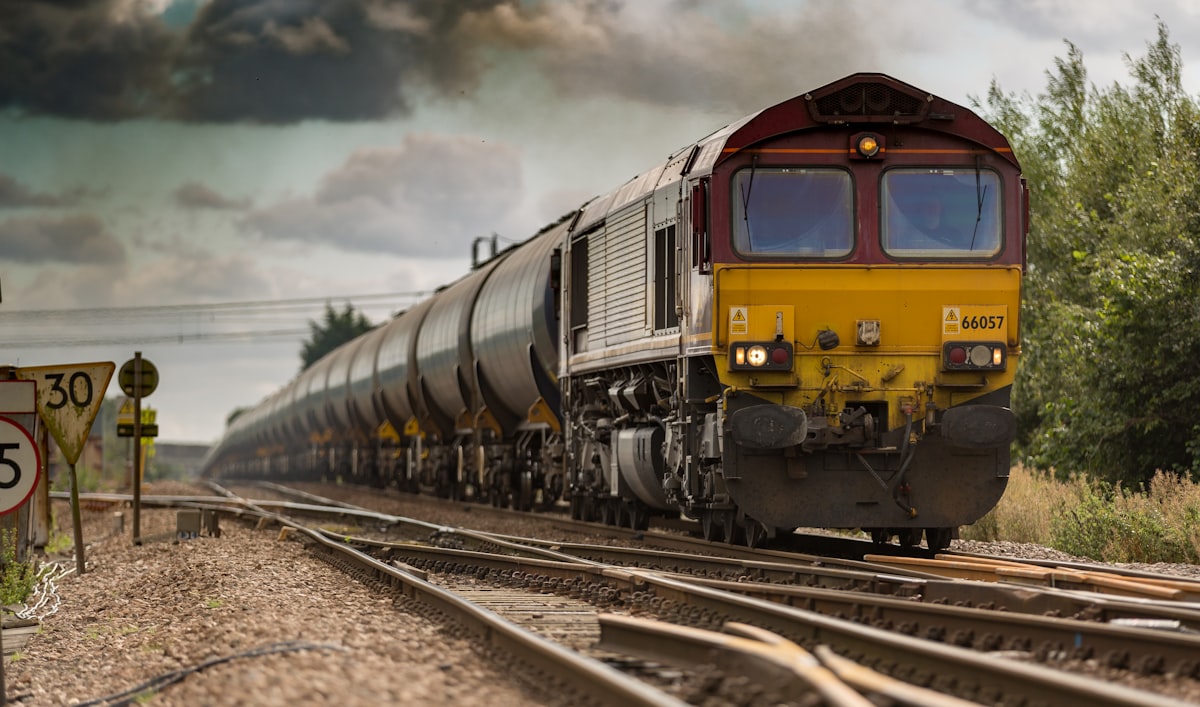 Abandoned rail lines crisscross Ontario, their overgrown grades marking routes that once connected every small town.
Decline and Abandonment
Railway abandonment in Ontario happened in waves. The first lines to close were the most marginal branch lines, many of which had never been profitable. The consolidation of the Grand Trunk and Canadian Northern into the Canadian National Railway in the 1920s led to the rationalization of duplicate routes. The rise of the automobile and the truck in the mid-twentieth century made many passenger and freight services uneconomic.
The most dramatic wave of abandonment came in the 1980s and 1990s, when deregulation and the restructuring of CN Rail led to the closure of hundreds of kilometres of branch lines across the province. Towns that had been served by rail for over a century suddenly lost their connections. Stations were closed, tracks pulled up, and the rights-of-way reverted to the adjacent landowners or were sold.
What Remains
The physical evidence of Ontario's railway heritage is everywhere. Rail corridors are among the most enduring marks that human activity has left on the landscape. The graded roadbeds, cut through rock and built up across valleys, remain visible for decades after the rails are removed. Rock cuts, bridge abutments, and culverts mark the routes through terrain that would otherwise give no hint of the railway's presence.
Some of the most dramatic remnants are the abandoned trestles and bridges. Steel and timber bridges over rivers and ravines were expensive to build and are expensive to demolish. Many remain standing, fenced off and slowly rusting or rotting, dramatic landmarks on the abandoned lines. The abandoned rail remnants article covers some specific examples.
Station buildings have had mixed fates. Some have been preserved as museums or community centres. Others have been converted to restaurants, shops, or private homes. Many more have been demolished. In small towns across the province, an empty lot beside the main road marks where the station once stood.
Rail Trails
The conversion of abandoned rail corridors to recreational trails has been one of the more positive outcomes of railway abandonment. Trails like the Cataraqui Trail, the K&P Trail, and sections of the Trans Canada Trail follow former rail routes, preserving the corridors and making them accessible to the public.
Walking or cycling these trails gives you a unique perspective on the landscape. Railways were engineered for gradual grades and gentle curves, so rail trails tend to pass through terrain in a way that roads do not. They also pass through the back sides of towns, giving you a different view of communities than you get from the main street.