The Ottawa Valley is, for our purposes, the single richest region in Ontario for exploration. No other part of the province combines such a long history of settlement, such dramatic cycles of boom and bust, and such a dense concentration of ruins, ghost towns, and forgotten infrastructure. If you only have time to explore one region of Ontario, this is the one.
The valley runs northwest from Ottawa along the Ottawa River, bounded on the south by the Algonquin Highlands and on the north by the river itself. It includes Renfrew County, parts of Lanark County, and extends into the Madawaska and Bonnechere watersheds. The landscape ranges from fertile river bottom farmland to rugged Canadian Shield granite, and the history is equally varied.
The Lumber Era
The Ottawa Valley was the centre of Canada's timber industry from the early nineteenth century until the early twentieth. At its peak, the valley's lumber operations employed tens of thousands of men and produced timber that was shipped down the Ottawa River to Quebec City and from there to markets around the world.
The industry was dominated by a handful of timber barons whose names are still prominent in the region: Booth, Bronson, Perley, McLachlin, Gillies. These men built enormous mills along the Ottawa and its tributaries, and the towns that grew up around those mills became the commercial centres of the valley.
When the old-growth pine was exhausted in the early 1900s, the industry contracted dramatically. Mills closed, camps were abandoned, and thousands of workers left the region. The valley's population declined, and many of the smaller communities that had depended on the lumber trade simply disappeared.
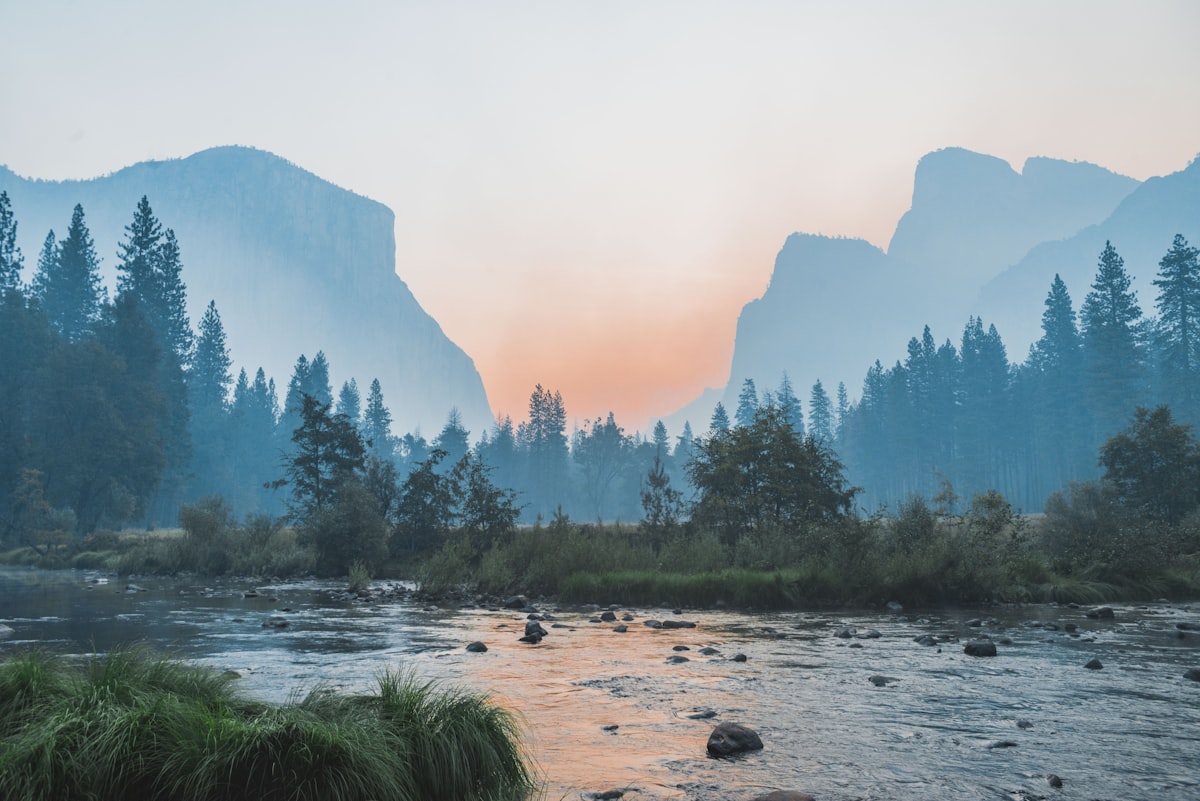 The Ottawa Valley's mix of river lowlands and Shield uplands created a landscape rich in both natural beauty and industrial history.
What to Explore
The valley offers several distinct types of exploration:
Mill ruins: The remains of the lumber industry's mills and infrastructure are scattered along every major river in the valley. The Madawaska, Bonnechere, and Petawawa rivers all have significant mill sites. Some are accessible from the road. Others require a short walk through the bush. The forgotten lumber mills article covers specific sites.
Ghost settlements: The colonization roads of the 1850s and 1860s created dozens of communities that are now gone. The forgotten places of the Ottawa Valley guide covers the most interesting of these.
Historic bridges: The valley has a remarkable collection of old bridges, from stone arch bridges to steel trusses to abandoned rail bridges. The old bridges near Petawawa article covers some of the best examples.
Military history: The Petawawa area has been a military centre since 1905, and the military history of the region has left its own mark on the landscape.
Natural features: The valley has excellent waterfalls, gorges, and river scenery. The transition from the Shield to the Ottawa River lowlands creates dramatic landscapes, and the relatively low visitor numbers mean you can often have these places to yourself.
Getting Around
Highway 17, the Trans-Canada, runs along the Ottawa River through the heart of the valley. From there, county roads and township roads branch south into the highlands. Many of the most interesting sites are on gravel roads or require a short walk from the nearest road.
The valley's towns, Arnprior, Renfrew, Pembroke, and Petawawa, are all good bases for exploration. Each has its own collection of historic buildings and local history resources. The Champlain Trail Museum in Pembroke and the Arnprior and District Museum are particularly useful for understanding the area's history.
For those interested in combining exploration with paddling, the Madawaska, Bonnechere, and Petawawa rivers all offer excellent canoe and kayak routes that pass through some of the valley's most remote and historically interesting areas. Several of these routes pass by mill ruins and former settlement sites that are not accessible by road.